Category: Yoga Actions
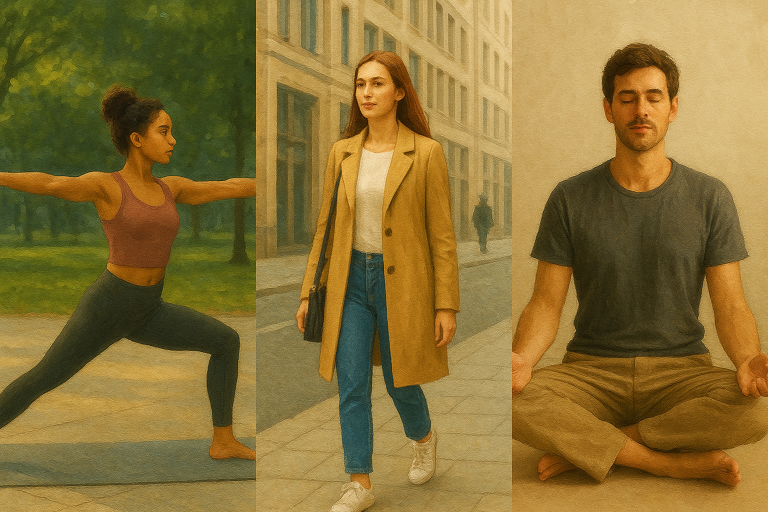
Not everyone can do yoga poses,
but everyone can do yoga actions.
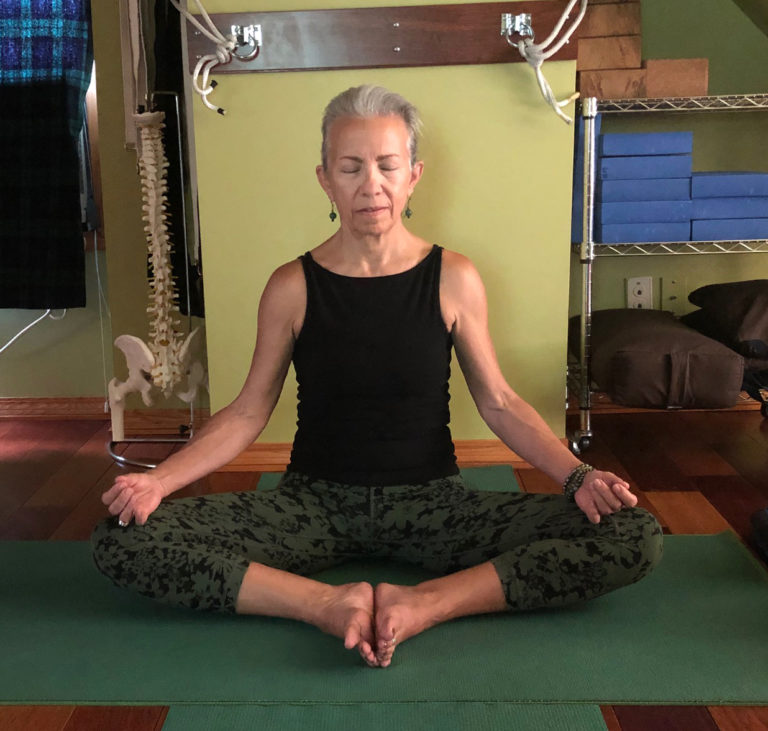
For some, yoga appears to be a pretzel-bending physical practice for those with flexible bodies. This is far from the truth. Yoga postures emerged in response to an understanding that tension, tightness and painful suffering can be alleviated and eliminated by tapping into the body’s cellular healing capacity. Our bodies always tell us the truth about what we are experiencing. Unfortunately, we are often too busy or too blind to pay attention. To better utilize our body’s innate ability to heal, we must awaken to how it speaks to us. Yoga poses (asanas) help us to discover where our pain and tension lie. Yoga actions, such as release the thigh bone back and the shin bone forward, take us deeper into our inner experience thereby bringing us ever closer to the source of our suffering. Yoga actions also help us to concentrate our awareness in the present moment. Through this intimate mindfulness of our direct experience, we learn what truth is.
The body must tell one what to do, not the brain. BKS Iyengar
YOGA ACTIONS began as a creative collaboration between two friends and yoginis, Candace Propp and myself, Helen Maupin. Our original intent was to write one book in an attempt to capture even a small portion of the knowledge and wisdom we gained from practising yoga. That modest intention mushroomed into —
1. six yoga actions books focusing on specific areas of the body,
2. two teacher training programs (A 200- and 500-hour) complete with facilitator manuals and student handbooks,
3. a bi-monthly yoga column in the Winnipeg Free Press, and most importantly,
4. a deeply-rewarding sisterhood filled with peace, love and joy.
As always, journeys of creation and discovery, whether on or off the yoga mat, take us beyond the scope of our imagination into the Universe’s intentions and gifts. Below are some of the gifts that emerged from our collaboration.