In two previous posts, Tailbone-sacral and Sacral-lumbar joints, I wrote about the significance of moving beyond our physical reliance on the Annamaya Kosha (muscular-skeletal flexibility and strength). In our youth, our bodies can respond and heal more readily from the demands we put upon them. However, continuing to rely only on our physical nature over-stresses the body and mind, particularly as we grow into mid-life and beyond. Accessing the subtle body — our energetic, mental, and emotional experiences — allows us to conserve energy through responses that require much less effort. In essence, our experience becomes one of effortless effort.
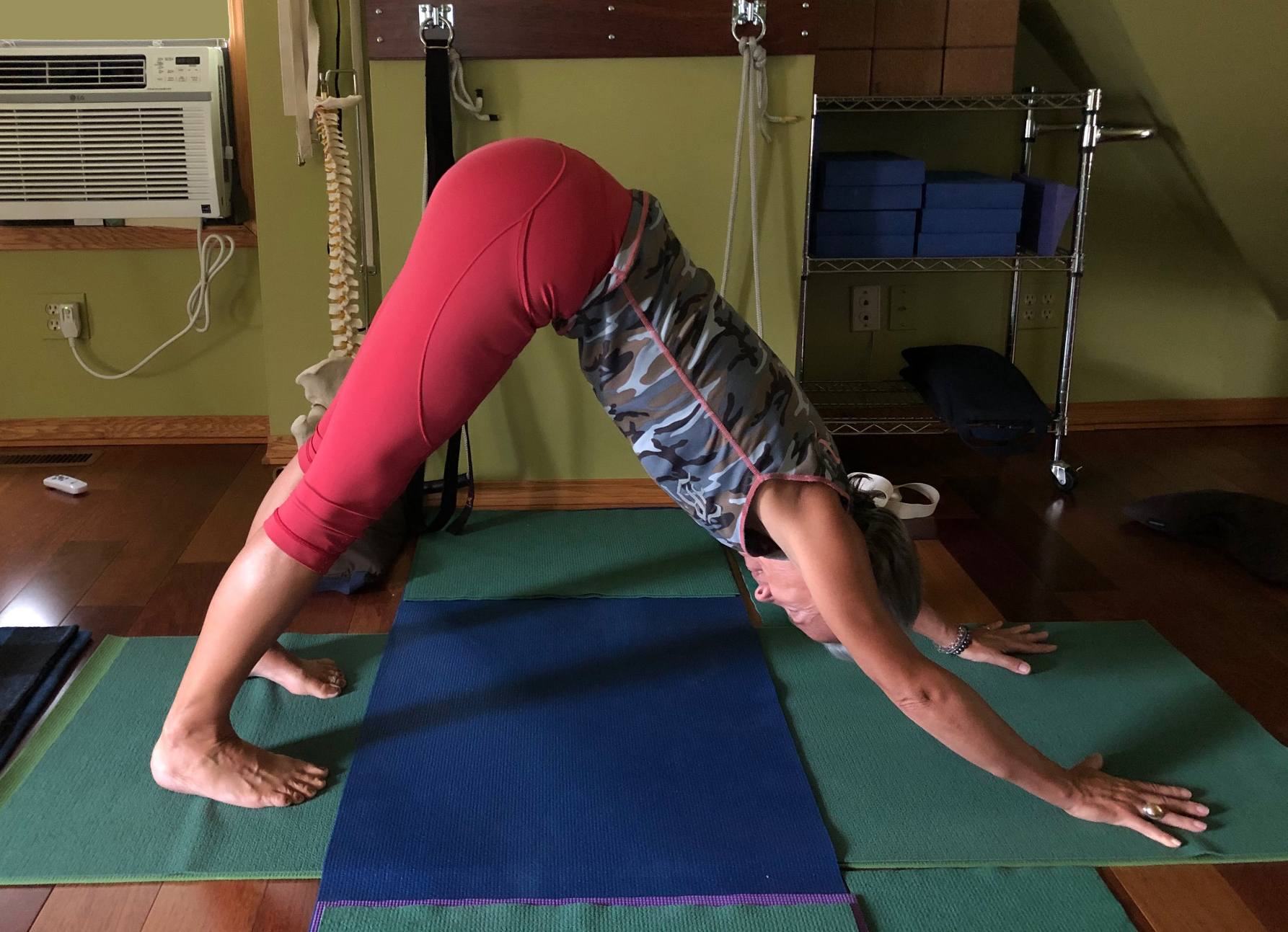
Let’s try the subtle Yoga Action described below so you can verify your own sense of effortless effort. Take the pose Adho Mukha Svanasana (Downward-facing Dog), and create space in the first two spinal joints — tailbone-sacrum and sacrum-lumbar. I have repeated the Yoga Actions for both below:
Subtle Yoga Actions:
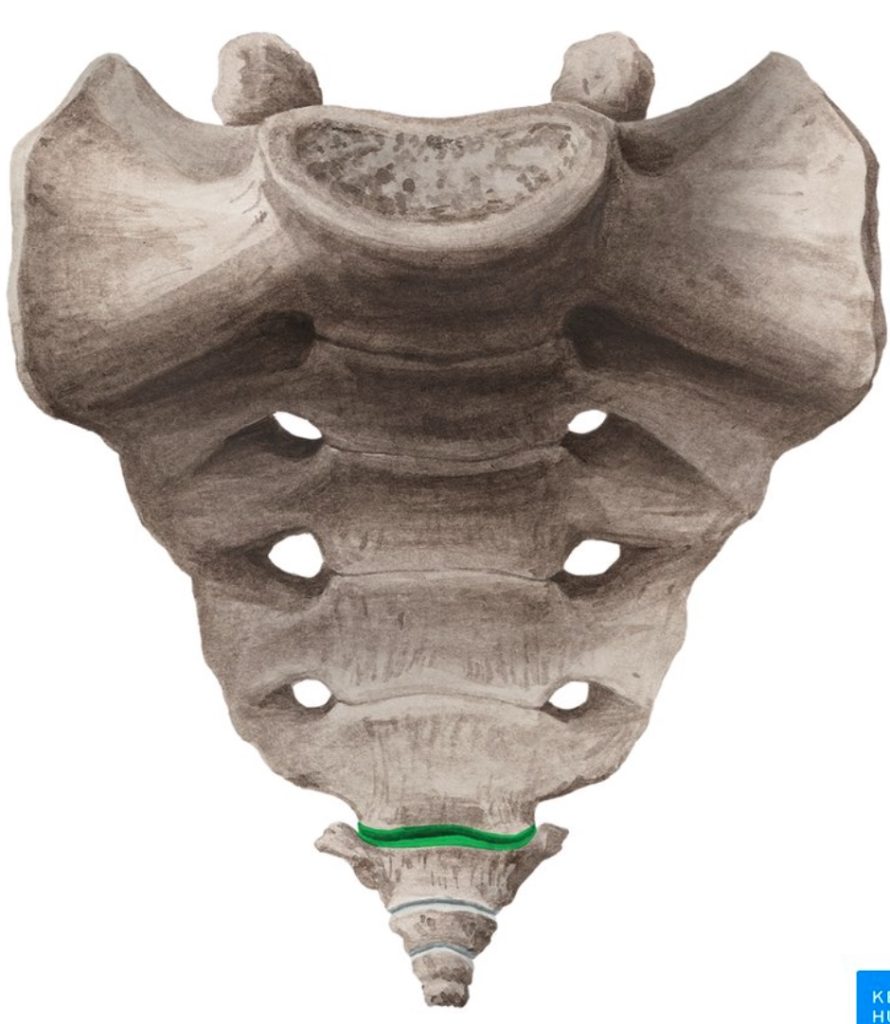
1. Find the joint at the bottom of the sacrum and the top of the tailbone (in green). Use your breath and awareness to create space between these two portions of the spine.
2. Notice your inner experience. How is your body responding — outer hips relaxing and opening, femurs grounding, lower belly scooping in and up (Mula Bandha), etc.?
3. Now, move to the next spinal ‘joint’ located at the top of the sacrum and bottom of the lumbar (the L5-S1 joint). With your breath and awareness, create space between the sacrum and lumbar joint.
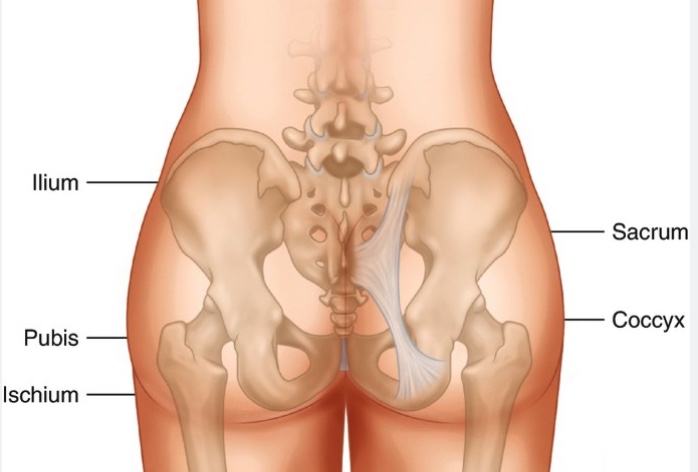
4. Again, notice if you feel the joint opening or other impacts emerging without you consciously bringing any of this about — the charging of your legs (Apana Vayu), the straightening of the knees, the gathering of the transversus abdominus toward the mid-line in the front body (Uddiyana Bandha), etc.
Once you have a sense of these two joints, move your breath and awareness up the spine to the Lumbar-thoracic joint depicted below — between L1 and T12.
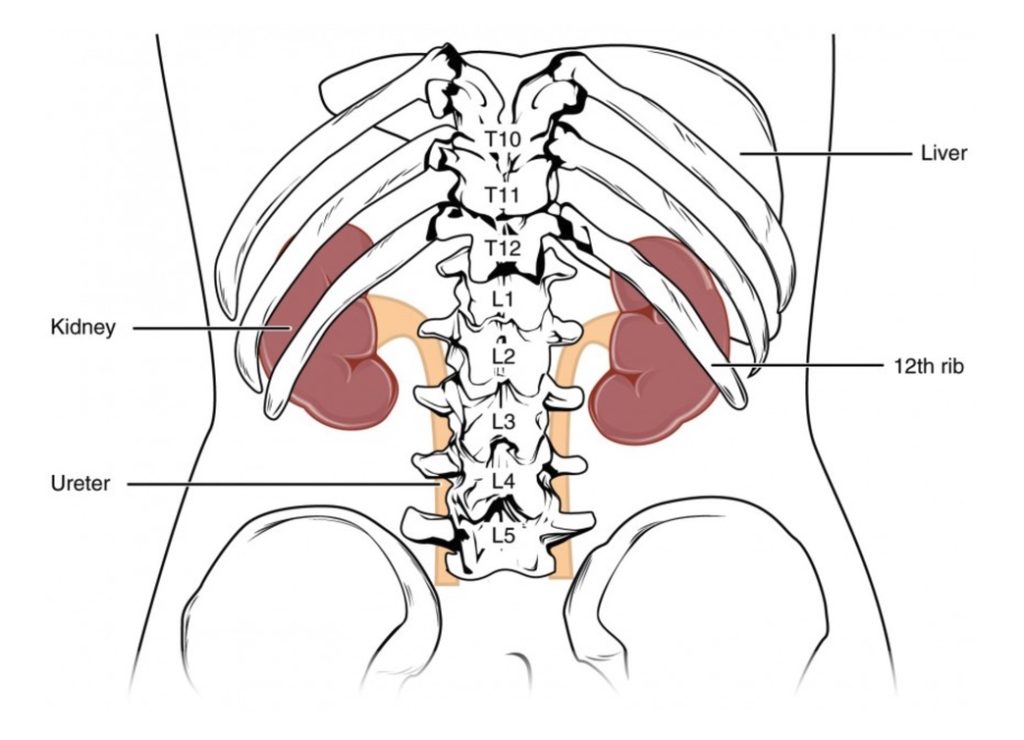
Subtle Yoga Actions:
1. Breathe into the space between L1 and T12.
2. Notice the space and sensations created — energetic lift of the breast bone in the front body, release of the shoulders and shoulder blades down the back body, broadening of the upper chest in the front body, etc.
Rest in BALASANA (Child Pose) and once again, see if you can sense and create space in all three spinal joints.
In backbends and inversions, many practitioners hinge at L1 and T12, which increases lower back compression. For a healthy lower back and more open poses, practicing these three subtle yoga actions takes the weight off the spine and distributes it to the organs of action (arms and legs), where it belongs.
For more yoga actions and teachings, click here. Namaste.