Recently, I blogged about engaging the subtle body (Pranamaya, Manomaya, and Vijnanamaya Koshas) using our breath and awareness as yoga actions intended to awaken our innate healing potential. Practically speaking, sensing and expanding the space between the sacrum and tailbone joint supported and aligned the spine while activating, with integrity, the organs of action — arms and legs. In essence, removing tension from the spine eases the nervous system into its ‘rest and digest’ state, where healing is fully supported.
Having begun this process of accessing the subtle body at the bottom of the spine, let’s continue by moving to the next spinal ‘joint’ located at the top of the sacrum and bottom of the lumbar–the L5-S1 joint.
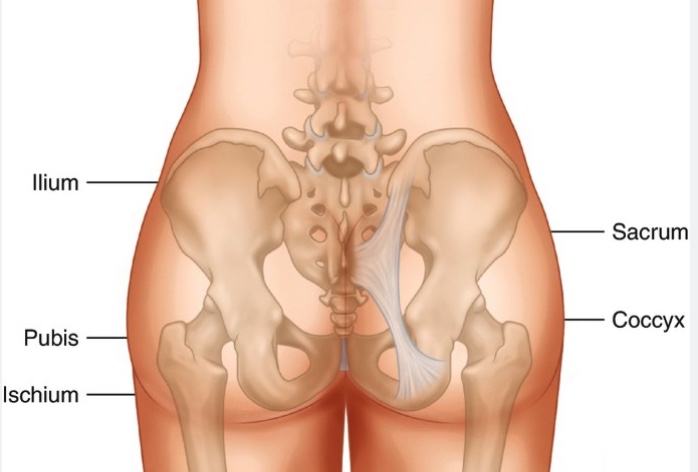
Lying on your back in Supine Tadasana, feel the contact of your sacrum with the floor. With your breath and awareness, find the inner face of the sacrum. For several inhales, allow your breath and awareness to bathe the sacrum’s inner face. Notice what impacts emerge in the body. For each exhale, let the breath release down the inner surface of the sacrum and tailbone. Spend three to five minutes bringing breath and awareness to this location.
Once you have contacted this portion of the spine solidly, then sense the space between the fifth lumbar vertebra and the top of the sacrum. Initially, you may find this area dense or blocked from your awareness. Be persistent and continually move both the breath and your awareness to the L5-S1 joint. For three to five minutes, continue to bathe this location with each inhale, and then release each exhale down the faces of the sacrum and tailbone. Again, notice if you feel the joint opening or other impacts emerging. Creating space in the lumbar-sacral joint enables us to release several holding patterns in our bodies. You may notice the charging of your legs (Apana Vayu), the straightening of the knees, the gathering of the transversus abdominus toward the mid-line in the front body (Uddiyana Bandha), to name only a few, without us consciously bringing any of this about.
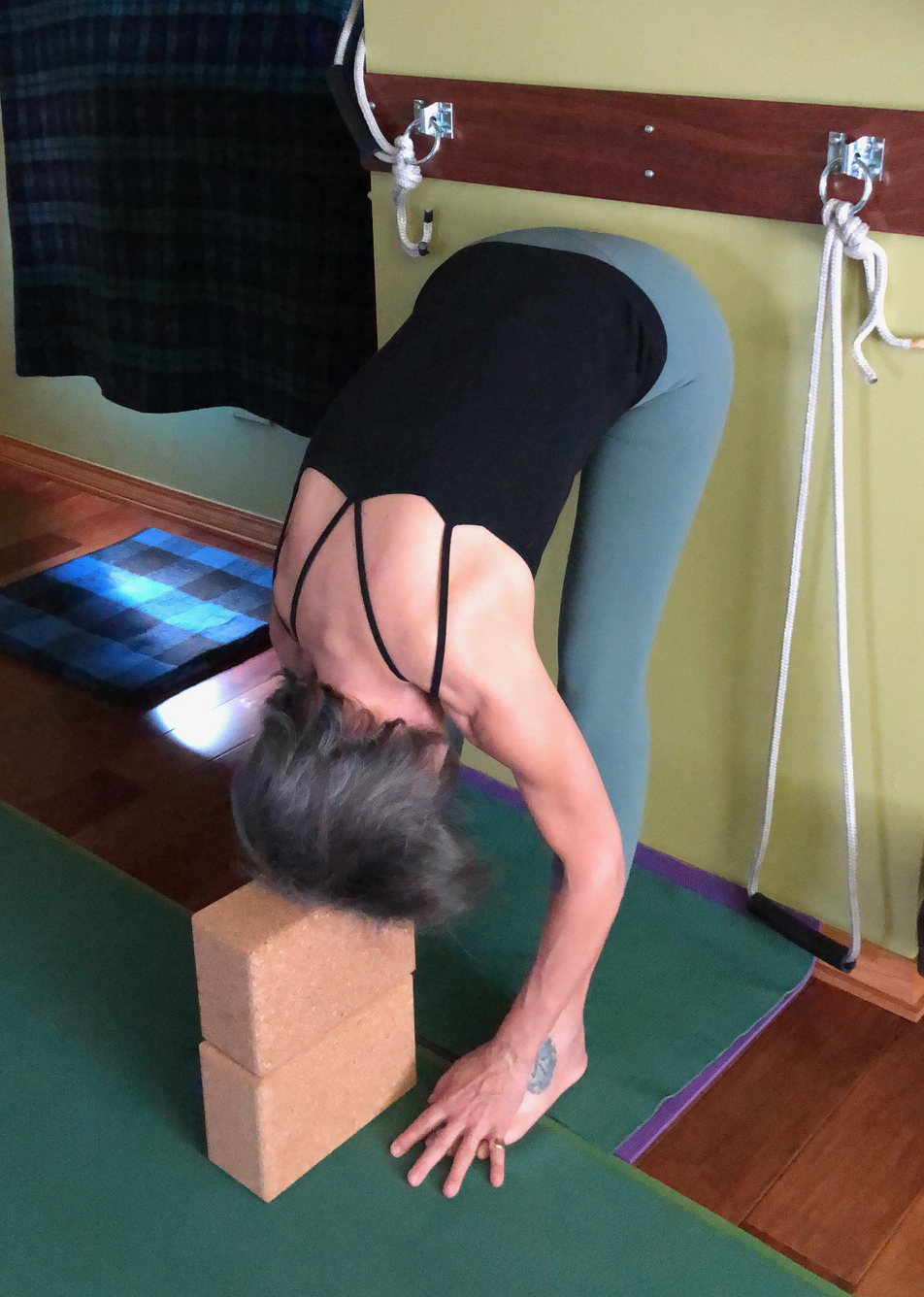
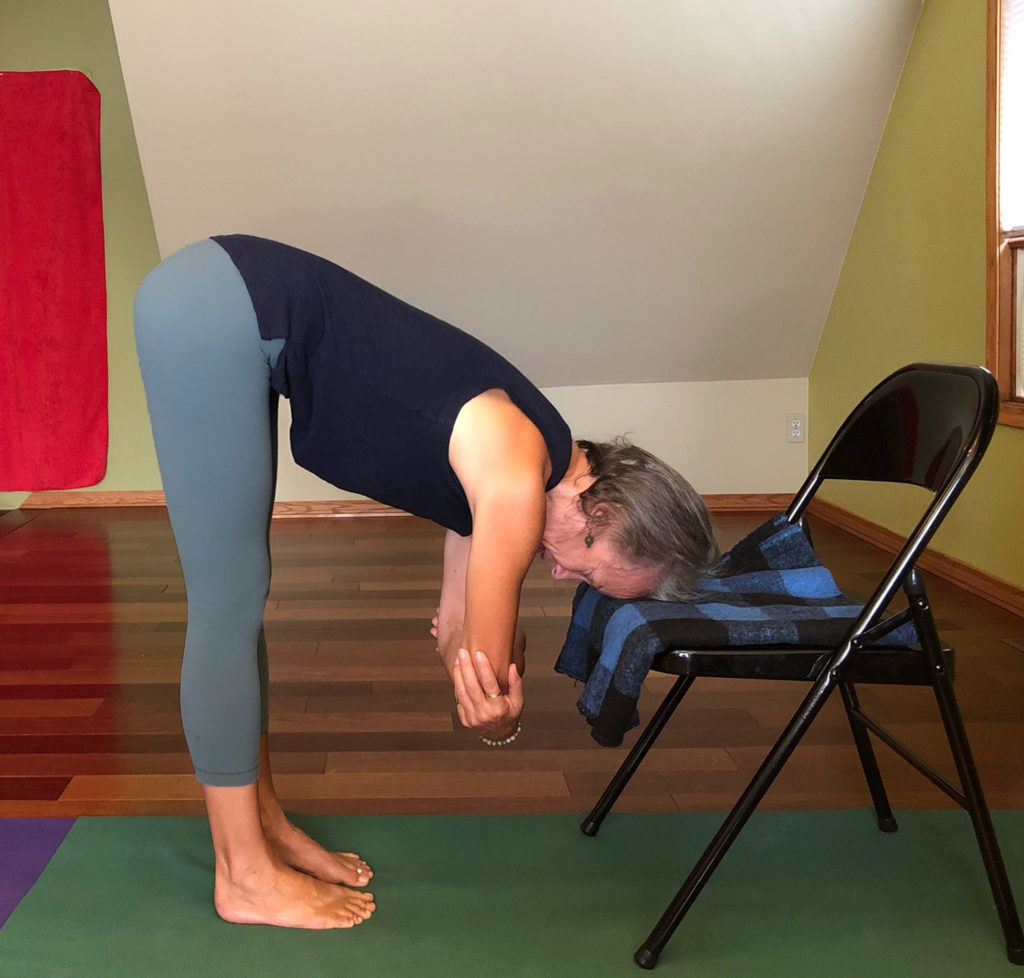
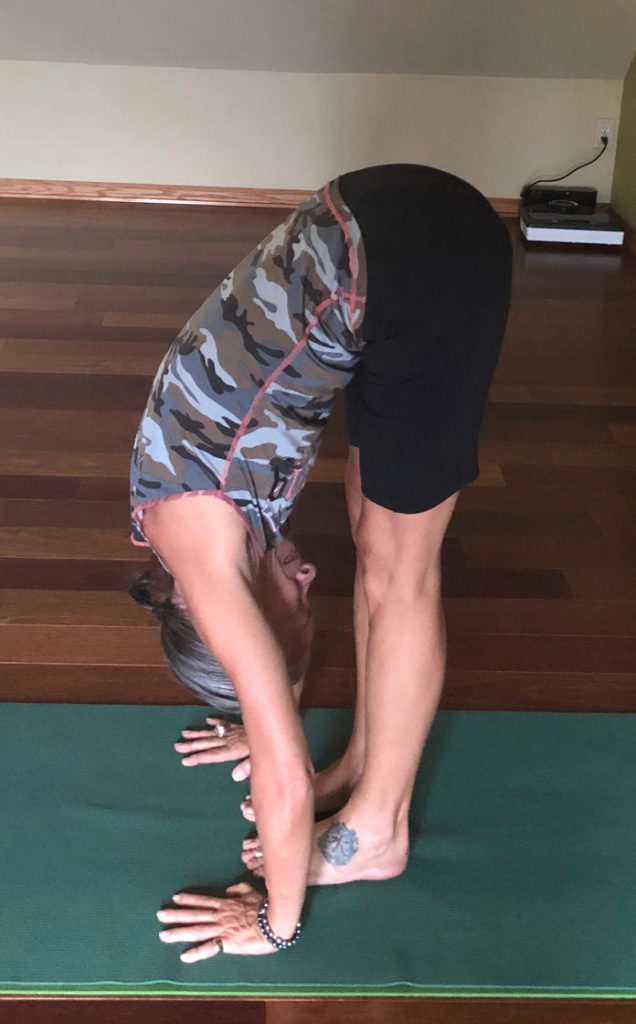
When you have success in contacting the lumbar-sacral joint with breath and awareness, use this yoga action in a sequence of yoga postures to gain a deeper experience and understanding of how your body and mind respond. For example, you might start with Supta Padangusthasana I, II, and III, followed by standing poses, forward folds, and inversions. Notice whether the increased complexity of the poses still allows you to create space in both the lumbar-sacral and sacral-tailbone joints. Only move to more complex poses as this space becomes available to you. And, even more importantly, enjoy unveiling the mysteries of your subtle body.
For more yoga actions and teachings, click here. Namaste.