Sit Up — Take Care of Your Tailbone
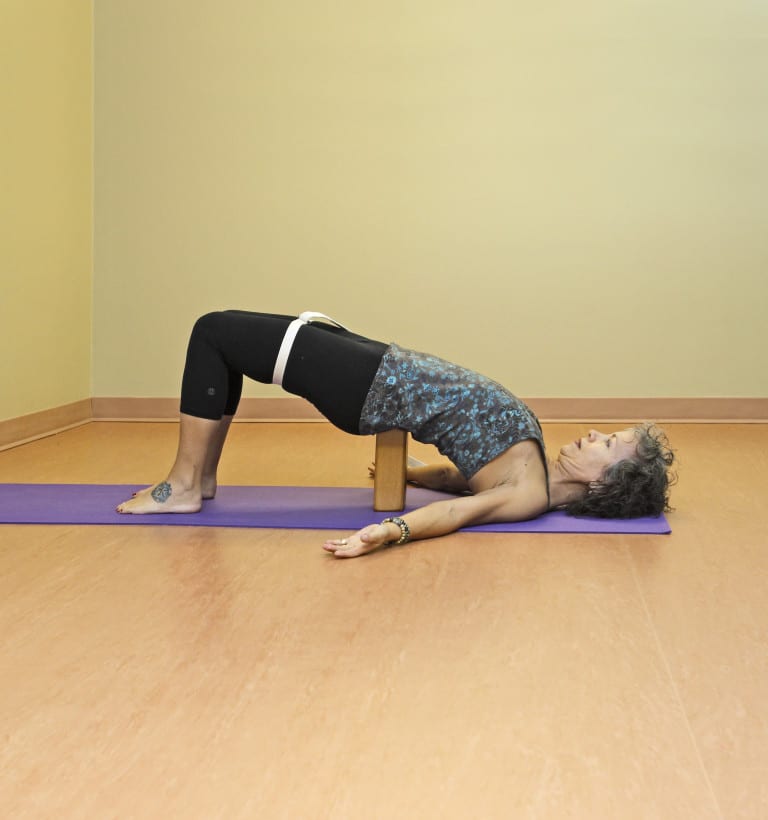
The tailbone, or coccyx, is a small, triangular bone located at the bottom of the spine. It measures less than one inch (2.5 cm) in length and curves like a hawk’s beak — widest where it meets the sacrum and…
The tailbone, or coccyx, is a small, triangular bone located at the bottom of the spine. It measures less than one inch (2.5 cm) in length and curves like a hawk’s beak — widest where it meets the sacrum and…
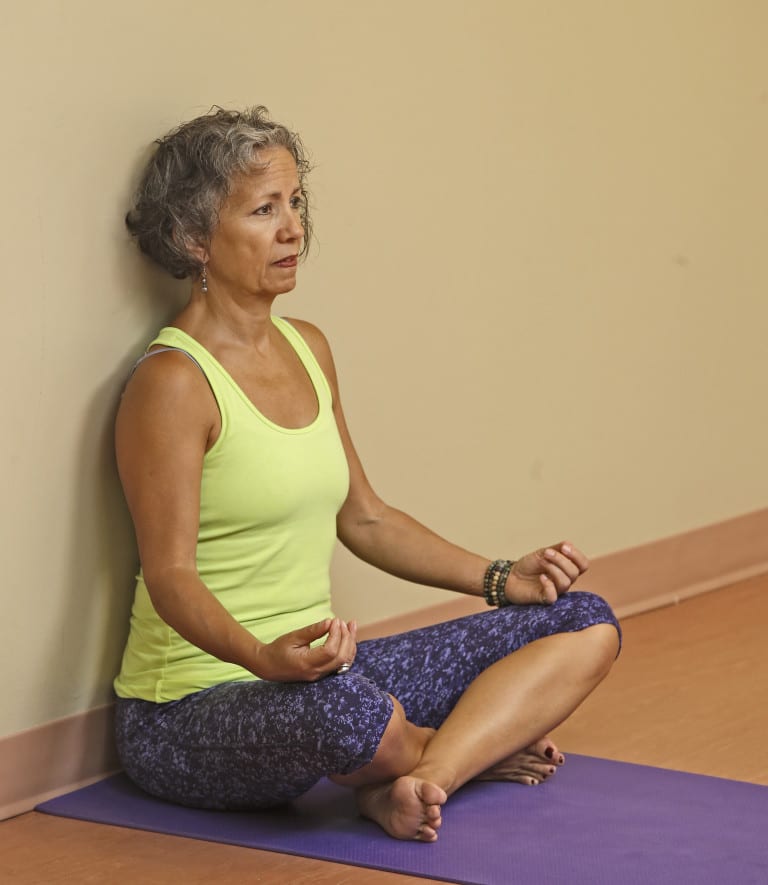
Although sitting with an erect and fluid spine is the goal for pranayama and meditation (two of the eight limbs of yoga), it is also vital for most people in the workforce who spend upwards of three to five hours…
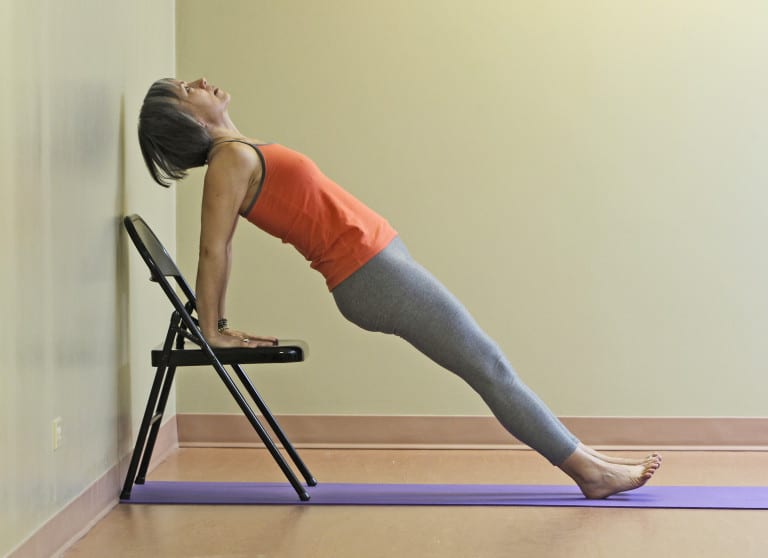
Yoga practitioners often hear from their teachers, “You are only as old as your spine is inflexible.” Body and energy workers would agree that the more supple your spine, the healthier and more youthful your overall constitution. The key to…
Did you know that quadriceps means “four heads”? This term of reference includes the four front thigh muscles that join at the quadriceps tendon to attach on to the kneecap. Quadriceps are some of the largest muscles in the body.…
Until we experienced a yoga class, most of us never considered a person could be too flexible. In hypermobile bodies, ligaments and tendons can be too loose to prevent excessive movement of the joints, which can result in serious injury and,…
Most of us take our necks for granted, even though every bite and breath we take and sound we make activates impulses through this relatively narrow passage. The neck’s muscles and ligaments surround its cervical vertebrae, which are the smallest…
Are you aware of how you breathe? Did you know that most people are chronic shallow breathers due to stress in their lives and tightness in their bodies? It takes a deep breath to fill our lungs, top to bottom…
Our ability to remain calm and at ease has never been more crucial given today’s interconnected, volatile and complex world. With so much uncertainty confronting us, it is important to remember that stress is an inside job. Stress does not…
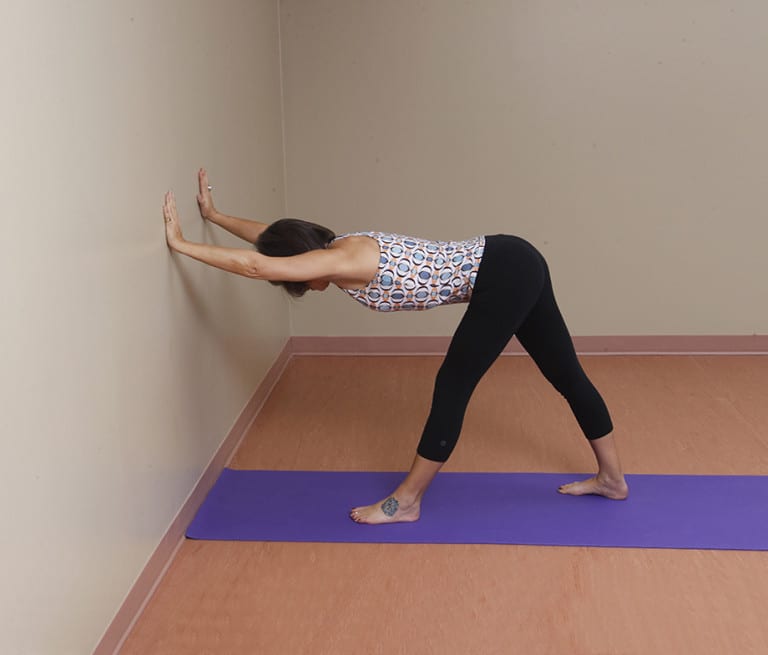
For many decades, a typical measure of health has been the ability to touch our toes. Why? Long and strong psoas muscles, indicators of physical well-being, allow us to tilt our pelvis forward. The psoas, often called the muscles of…
Sciatica, loosely defined by the general public as pain in the lower back hip and localized on one side, most commonly occurs when a herniated disk or a bone spur on the spine compresses the sciatic nerve. This causes inflammation,…
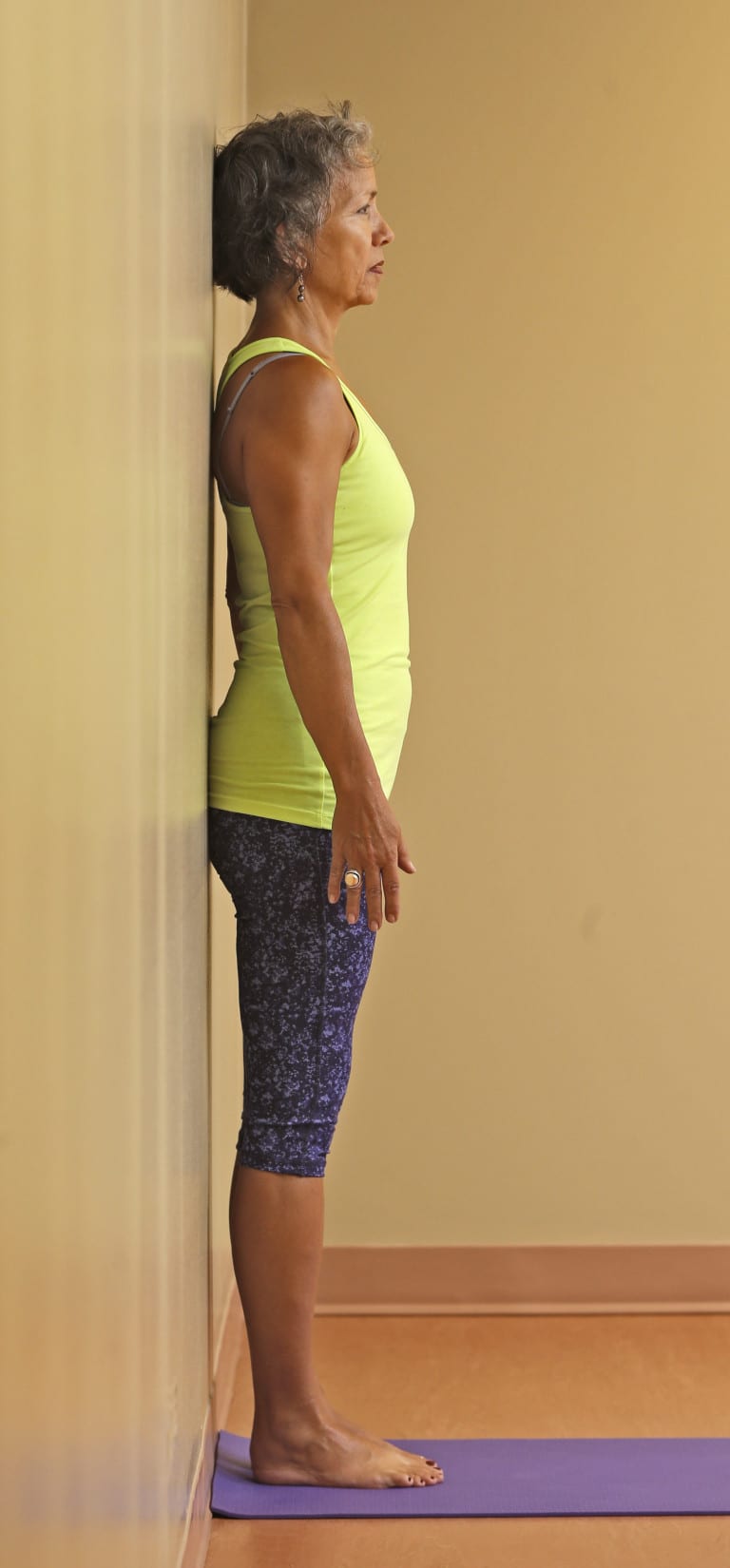
Are you aware that you are as young as your spine is flexible? Having healthy posture, that is maintaining the natural “S-shape” of your spine, affects every system of the body including neuromuscular (joints, bones, ligaments, muscles, tendons, nerves), endocrine…
A healthy body is capable of moving in many directions simultaneously. For instance, during ice skating you would find yourself externally rotating the upper leg used to stride while slightly internally rotating the other leg used to glide. In order…
© Copyright 2026 – Helen Maupin/Right to Joy – All rights reserved